Blog/Note
On-shelf availability: when the system says in stock but the facing is empty
Phantom inventory and empty facings explain why POS and ERP disagree with the shelf. A practical OSA guide for stores and distributors.
September 28, 2026
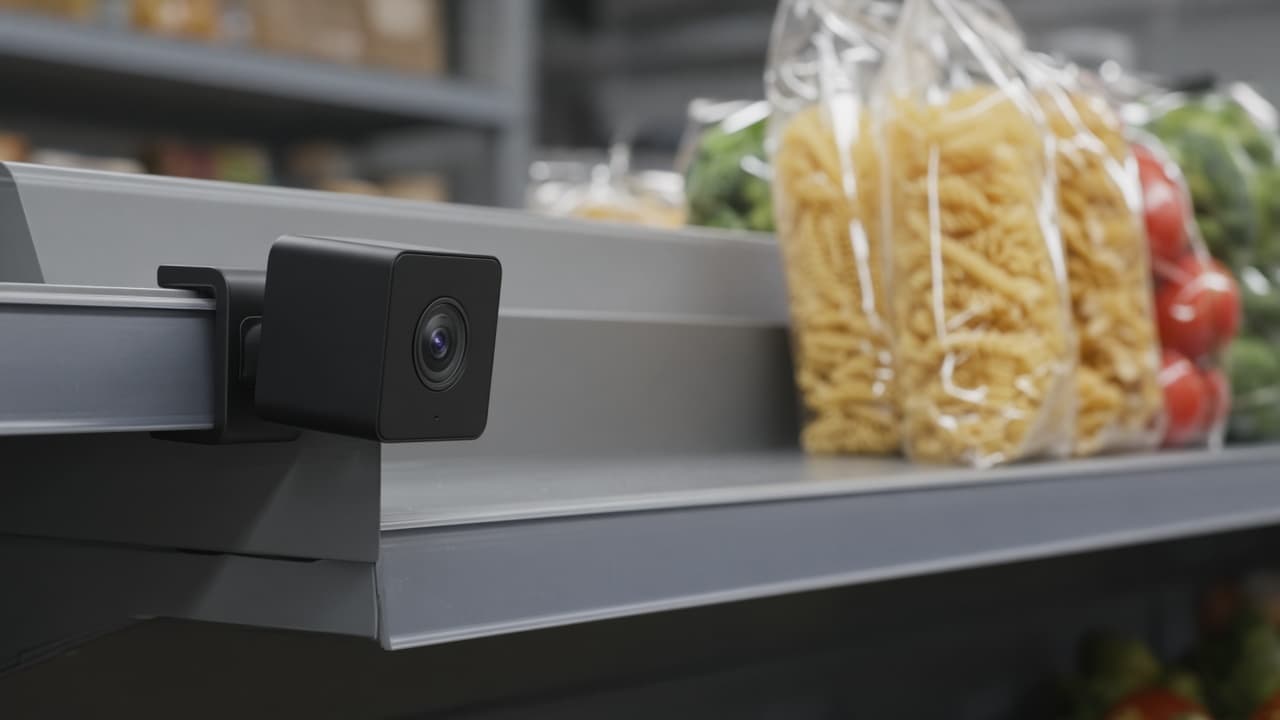
Every store manager has lived this scene. The handheld or the back-office screen says the item is in stock. The shopper is standing in front of an empty facing. Someone apologizes, offers a rain check, or points to a substitute. The sale is often gone. The inventory file still looks fine.
That gap has a name in retail operations: on-shelf availability, or OSA. Closely related is the out-of-stock, or OOS, condition the shopper experiences. The important distinction is simple. Warehouse or store on-hand inventory answers whether product exists somewhere in the network or the building. On-shelf availability answers whether the product is present, findable, and shoppable in the selling position when demand arrives.
When those two answers disagree, you get phantom inventory: the system believes stock exists, but the facing—and sometimes the whole accessible shelf—does not show it. Empty facings are the visible wound. Phantom inventory is the infection underneath.
What OSA and OOS usually mean in practice
Industry practice treats OSA as the share of items that are available on the shelf when they should be. Definitions vary by retailer: some score by SKU, some by facing, some by time-weighted samples across the day. OOS is the shopper-facing failure—nothing to buy in the expected place. A store can be “in stock” in the ERP and still be OOS on the aisle if units are in the backroom, above the shelf, mis-slotted, damaged, or reserved for online picking that never reconciled.
That is why OSA is stubborn. It is not only a supply-chain problem. It is a store-execution and data-integrity problem. Ordering more cases does not fix a facing that never gets filled from stock that already arrived.
Why POS and ERP disagree with the shelf
Point-of-sale systems are excellent at recording what left the store through a checkout. They are weak at describing what the shelf looks like between transactions. Enterprise resource planning and inventory files accumulate receipts, shipments, adjustments, and sales. Each of those events can be wrong in small ways: a receiving error, an unscanned damage, a mislabeled case, a theft, a free sample, a planogram change that moved the home location.
Over weeks, small errors compound into phantom inventory. The file says six units. The facing shows zero. An associate trusts the file and skips the bay. Or they trust their eyes, climb into the backroom, find nothing, and raise an order that arrives into an already confused count. Meanwhile the shopper has already substituted or left.
Online and omnichannel fulfillment adds another layer. Units reserved for delivery can vanish from the selling face without a clean story in every system. Click-and-collect staging areas become unofficial inventory islands. If the digital twin of the store—or even a humble perpetual inventory file—does not track those moves tightly, OSA and e-commerce fill rates both suffer.
Where empty facings come from
Empty facings have a short list of common parents. True supply failure: the DC or supplier did not ship enough. Store receiving failure: the case is in the building but not put away correctly. Replenishment failure: the case is in the backroom or in top stock and never pulled. Presentation failure: units exist but are blocked, buried, or faced so poorly that shoppers treat the bay as empty. Demand spike: a promotion or local event cleared the shelf faster than the cadence of restock.
Store teams often collapse all five into one word—out of stock—and order more. Distributors walking the aisle for orders can make the same mistake. The corrective action differs for each cause. True supply gaps need purchase orders. Replenishment gaps need labor and tasking. Presentation gaps need merchandising. Top-stock gaps need visibility above the shelf line, not another pallet from the warehouse.
A 2026 data point worth citing carefully
In August 2026, press around Focal Systems’ Top Stock module and a Village Super Market ShopRite pilot reported a one-percentage-point on-shelf availability improvement on top of an existing Focal-driven baseline of about 97 percent at the test store, alongside other attributed results such as recovered overhead inventory and lower audit labor. Those figures are pilot results as reported by Business Wire and Retail Technology Innovation Hub. They are not a universal benchmark, and they should not be inflated into industry-wide guarantees.
What they illustrate for OSA conversations is more modest and more useful. Even at a high baseline, marginal OSA gains can matter commercially because the last points of availability sit on high-velocity items where empty facings are expensive. And some of those last points are not “we need more trucks.” They are “the product was already here and the facing still went empty.”
Phantom inventory: the quiet OSA killer
Phantom inventory deserves its own paragraph because it trains everyone to stop believing the system. Associates who have been burned stop trusting on-hand counts. They either over-order “just in case” or under-react because “the system is always wrong.” Category managers argue with stores using reports that do not match Monday morning walks. Suppliers dispute deductions and lost sales using different truths.
Breaking phantom inventory usually requires three habits. First, more frequent confrontation of book versus reality on the items that move fastest and hurt most. Second, root-cause tagging so every empty facing is not treated as a buy signal. Third, closing the physical loops that create phantoms: top stock, backroom slots, damages, and omnichannel pulls. Technology can accelerate the confrontation—cameras, robots, RFID, handheld audits—but process ownership decides whether the confrontation becomes a permanent correction.
Practical guidance for store managers
Start the day with a short list, not a warehouse full of alerts. Prioritize empty facings on the items that drive traffic and margin. For each empty facing, force a one-line cause: true OOS, backroom, top stock, damage, or unknown. Make “unknown” expensive by requiring a second look before a new order is cut. Protect a replenishment window when the aisle is walkable. Separate night receiving goals from day availability goals so cases do not die on the upper ledge. And when the file and the facing disagree, believe the facing for the shopper—then fix the file before the next delivery lands on bad data.
Measure OSA in a way your team can act on. A monthly mystery-shop score is interesting. A midday empty-facing list with owners is operational. Share the same list with department leads rather than burying it in a corporate dashboard nobody opens until Thursday.
Practical guidance for distributors and supplier teams
When you walk a store, photograph empty facings and ask where the last case went. If overhead or backroom stock exists, your order pad is not the first tool—execution is. Align with the retailer on which SKUs are true distribution gaps versus store-process gaps. Bring OSA language into joint business planning without turning every empty hole into a chargeback argument. And support planogram and case-pack realities: a case that never fits the shelf cleanly will keep creating half-empty stories even when supply is fine.
For multi-store routes, watch for patterns. The same empty facing across many doors often is supply or forecasting. The same empty facing in one door with healthy neighbors is usually local execution. Your response should differ.
Visibility is not the finish line
Retail technology in 2025 and 2026 has made it easier to see empty facings more often. That is progress. It is not the finish line. OSA improves when sensing connects to decision and decision connects to execution: restock this, fix that count, stop ordering this phantom, pull the case above the shelf before the next rush.
Shoppers do not experience your inventory file. They experience the facing. Until the system and the shelf tell the same story, “in stock” will keep failing the only test that matters at the gondola: is there something here to buy right now?
Want this in your stores? Request a pilot.