Blog/Note
Shelf Cameras and Shopper Privacy: Why Product-Facing Cameras Are Different
Shelf cameras aren't security cameras. How GDPR, the EU AI Act and Oman's updated data law treat in-store cameras, and what to ask any vendor.
October 19, 2026
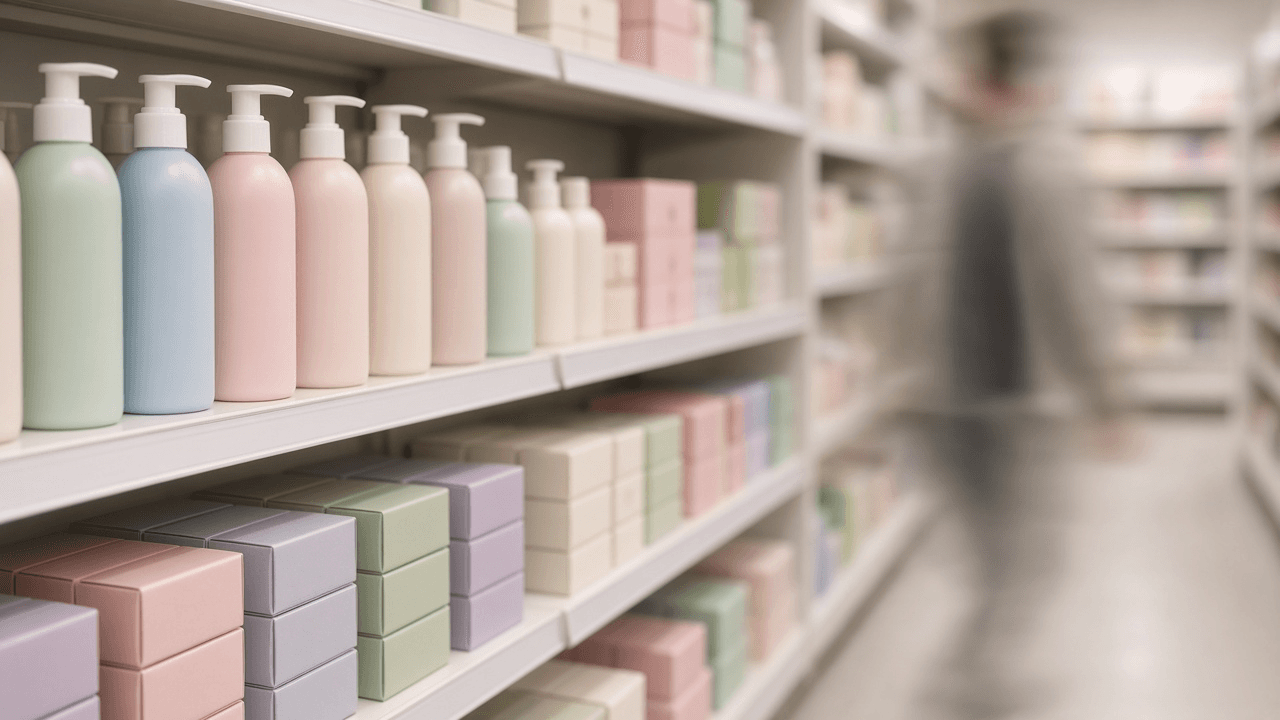
Put a camera on a store shelf and the first question is rarely about stock. It's about people. Will it record shoppers? Will it recognise faces? Who gets to see the pictures?
Those are fair questions, and the rules around them have been moving. In April, a German study by Ibi Research and the DIHK chamber of commerce found that retailers see the GDPR as the biggest obstacle to using cameras in stores, and that pilots of AI surveillance are often dropped before they start. In July, the UK's Information Commissioner's Office published new advice for small retailers on CCTV and facial recognition. And in September, Oman amended its Personal Data Protection Law.
Most of that debate is about security cameras. Shelf cameras are a different tool, and the difference matters.
Two kinds of in-store camera
A security camera is built to watch people. It sits high, looks down the aisle, records video, and its whole purpose is to see who did what.
A shelf camera is built to read products. It's mounted on the fixture, points at the goods, and usually takes still photos on a schedule. Focal Systems, one of the larger shelf camera vendors, puts it plainly in a recent post: shelf intelligence has one job, understanding what is on the shelf, and none of that requires knowing who walked past.
That doesn't make shelf cameras privacy-free. A shopper reaching for a jar can still end up in the frame. But it changes the design goal from protecting footage of people to keeping people out of the data.
What the rules say, in short
This is a summary, not legal advice, and the details depend on where the store is.
GDPR and UK GDPR. An image of an identifiable person is personal data. The European Data Protection Board's guidance for small businesses says CCTV needs a defined purpose and a legal basis, usually legitimate interest with a balancing test, plus clear signs at the entrance. The ICO's checklist for small premises adds a named person responsible, a defined retention period, limited access, and a way to answer people who ask for their footage. The ICO notes this guidance is under review after the UK's Data (Use and Access) Act.
Facial recognition. This is where the bar jumps. The ICO says there is a high bar for lawful use of facial recognition in public places, because of the sensitivity of the data and the risk of wrongly identifying someone. The heise report on the German study notes that using biometrics to identify known shoplifters is generally not permitted in ordinary retail there.
The EU AI Act. The Act bans real-time remote biometric identification in publicly accessible spaces for law enforcement, with narrow exceptions. Other remote biometric identification, such as matching faces from CCTV against a database, is classed as high-risk and comes with strict requirements. Simple verification, like unlocking a phone with your face, is neither banned nor high-risk.
Oman. The PDPL already required a ministry permit before processing biometric data. Royal Decree 68/2026, which took effect on 7 September 2026, added grounds for processing without consent, including cameras used to meet security requirements set by the competent authorities. Law firm CMS points out that the amendments do not add a general legitimate interest basis, so businesses need to document which ground they rely on for each use.
The common thread: the more a camera is about identifying people, the heavier the obligations. A camera that never needs a person in its data starts from a much lighter position.
Privacy by design for shelf cameras
The practices that keep product-facing cameras on the right side of this line are not complicated:
- Still images, not video. A photo every so often is enough to see a gap on a shelf. - Aim at the goods. Mount and angle the camera at the facing, not the aisle. - Remove people early. Focal says it strips every pixel containing a person before an image is analysed or stored. Doing it on the device, before upload, is stronger than blurring later. - No faces, no tracking. No facial recognition and no following individuals, for any purpose. - Short retention and narrow access. Keep raw images only as long as needed and let only the people who restock see them. - Signs and a DPIA. Tell shoppers and staff what the camera does, and do a data protection impact assessment where the law calls for one.
Questions to ask any vendor
Before a pilot, ask: Does it capture video or stills? Where does each image go, and for how long? Are people removed before storage or only blurred afterwards? Is any biometric processing used anywhere? What help do you give with signage and impact assessments?
At MeshRuby we work on small fixed cameras aimed at products on the shelf, so the people who restock can see what's there without a store visit. These are the questions we think every shelf camera, ours included, should be able to answer clearly.
Sources
- heise online: Surveillance against shoplifting: Retail calls for digital upgrade (https://www.heise.de/en/news/Surveillance-against-shoplifting-Retail-calls-for-digital-upgrade-11253342.html) (Apr 12, 2026) - ICO: How data protection law can help protect businesses from crime (https://ico.org.uk/about-the-ico/media-centre/news-and-blogs/2026/07/how-data-protection-law-can-help-protect-businesses-from-crime/) (Jul 3, 2026) - ICO: Checklist for limited CCTV systems (https://ico.org.uk/for-organisations/uk-gdpr-guidance-and-resources/cctv-and-video-surveillance/guidance-on-video-surveillance-including-cctv/checklist-for-limited-cctv-systems/) - EDPB: SME data protection guide, CCTV FAQ (https://www.edpb.europa.eu/sme-data-protection-guide/faq-search_en?search=CCTV) - European Commission: Navigating the AI Act (https://digital-strategy.ec.europa.eu/en/faqs/navigating-ai-act) - AI Act Service Desk: Are biometric systems permitted? (https://ai-act-service-desk.ec.europa.eu/en/ai-act/faq/are-biometric-systems-eg-facial-recognition-bank-security-permitted) - CMS: Oman updates its Personal Data Protection Law (https://cms.law/en/omn/legal-updates/oman-updates-its-personal-data-protection-law) (Sept 8, 2026) - Decree.om: Royal Decree 6/2022, Personal Data Protection Law (consolidated) (https://decree.om/2022/l20220006/) - Focal Systems: Shelf Cameras Should See Products, Not People (https://focal.systems/shelf-cameras-should-see-products-not-people/)
Want this in your stores? Request a pilot.