Blog/Note
Weight Sensors vs Shelf Cameras: Which Smart Shelf Tech Fits?
Weight sensors know exactly what left the shelf. Cameras see what the shelf looks like. A plain guide to smart shelf tech, with the latest deployments.
October 12, 2026
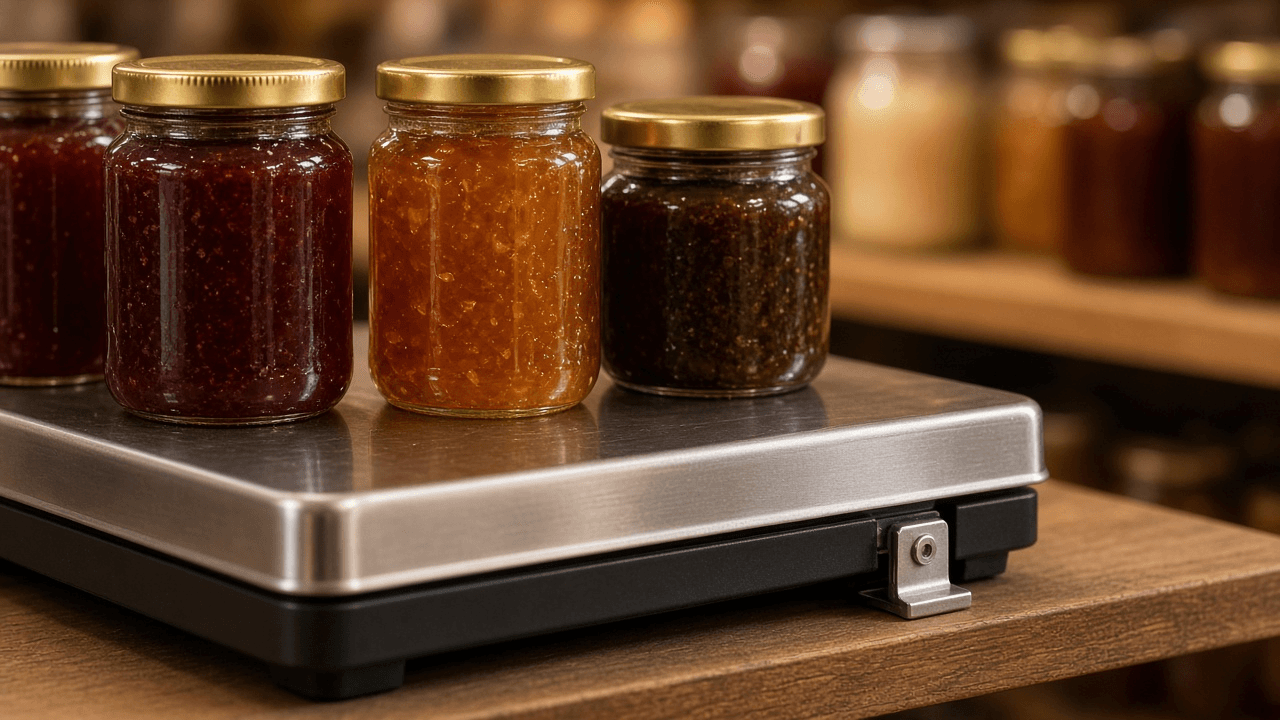
In late September, a smart fridge went into the Chamber of Deputies of the Czech Parliament. The operator, SmartVendor, said it runs with no cameras at all. Shekel's WeightAI sits in the shelves and identifies each item by its weight. A shopper taps a card, opens the door, takes a meal and walks off, and the system charges them for what left the shelf.
The pitch was privacy. As the press release put it, unattended retail "typically relies on cameras, and cameras mean GDPR risk." A weight-based cooler records no image, so that question never comes up.
It's a useful moment to ask a broader question that retailers and distributors keep running into: when you want to know what's on a shelf without sending someone to look, should the shelf weigh things or photograph them?
What a weight sensor actually knows
A weight-sensing shelf sits on load cells. When a product is lifted or put back, the shelf records a change in mass, and software matches that change to a known item and position. That gives you a few things cameras struggle with:
Exact events. A weight drop is a hard signal that something left, not an estimate from pixels. No line-of-sight problem. Items stacked behind each other still weigh something. No images. This is why it suits offices, hospitals and public buildings.
The limits come from physics too. A survey of autonomous retail sensing published on arXiv notes that weight sensors "struggle with granularity for small items." Two products with nearly the same weight are hard to tell apart. Each SKU has to be calibrated. And a scale can't tell you whether the product is facing forward, sitting in the wrong slot, or missing its price label.
What a shelf camera actually knows
A camera looks at the shelf face, the same view a shopper or a merchandiser gets. Image recognition can then flag empty facings, low stock, products in the wrong place and planogram gaps.
The tradeoffs flip. One camera can cover a whole bay of mixed products without any per-shelf hardware. EdgeRetail points out in its out-of-stock guide that weight and RFID sensors "cannot detect planogram deviations or promotional display execution failures." On the other hand, cameras deal with glare, things blocking the view, and look-alike packaging, and they only see the front row.
They answer different questions
It helps to name the question before picking the tool:
"What did this customer take, and what should they pay?" Weight wins. That's why unattended coolers and micro-markets lean on it. "What does the shelf look like right now, and does it match the plan?" Vision wins. That covers facings, gaps, wrong placement and promo displays. "How many units are left behind the front row?" Weight is more direct. A camera can only infer it.
Researchers have been combining the two for years. The FAIM study in Frontiers in Built Environment fused shelf weight readings with camera recognition in a mock-up of a 7-Eleven, so each sensor covered the other's blind spots. A 2026 comparison from Wild Hearts lands in a similar place for real stores: use targeted smart shelves on high-priority bays, and use vision for store-wide shelf truth.
Where privacy fits
The Czech case shows privacy can decide the whole purchase. For a camera, the honest design answer is to aim it at the products, not at people. A fixed shelf camera pointed at the goods captures facings, not faces. That's a different thing from a ceiling camera tracking shoppers, but buyers will still ask, so it's worth stating clearly.
The practical takeaway
If you sell from a closed cabinet and need to charge per item, weigh it. If you supply open shelves across many stores and need to know what is missing, misplaced or low before the next visit, photograph it on a schedule. That second case is the one we work on at MeshRuby, with small cameras that take timed photos of shelf products. Many operations will end up using both.
Sources
Shekel news - SmartVendor brings autonomous retail to the Czech Parliament (Sept 2026): https://www.shekel.ai/news/smartvendor-brings-autonomous-retail-to-the-czech-parliament-clears-europes-toughest-privacy-bar-with-shekel-weightaitm/ arXiv - A Survey of Challenges and Sensing Technologies in Autonomous Retail Systems: https://arxiv.org/html/2503.07997 EdgeRetail - Out-of-Stock Detection in Retail: AI Shelf Monitoring vs. Store Walks: https://edgeretail.ai/blog/out-of-stock-detection/ Frontiers in Built Environment - FAIM: Vision and Weight Sensing Fusion Framework for Autonomous Inventory Monitoring: https://www.frontiersin.org/journals/built-environment/articles/10.3389/fbuil.2020.568372/full Wild Hearts - RFID vs Computer Vision vs Smart Shelves (2026): https://www.wildhearts.co.nz/rfid-vs-computer-vision-vs-smart-shelves-which-inventory-tech-actually-stops-retail-shrink-in-2026/
Want this in your stores? Request a pilot.