Blog/Note
Who Takes the Shelf Photo? How Brands Audit Store Shelves in 2026
Sales reps, delivery drivers, robots and fixed cameras all photograph store shelves now. Here is who captures shelf audit data and what each does best.
October 12, 2026
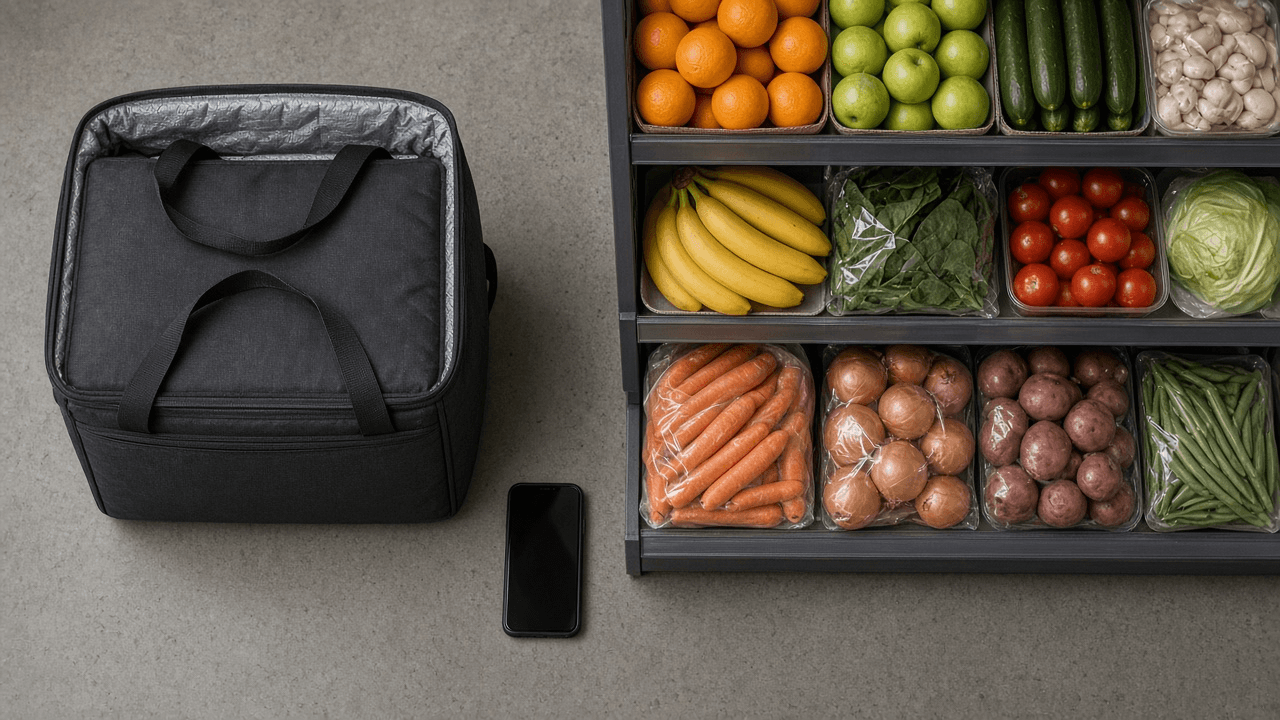
In late September, DoorDash launched Brand Center, a platform that gives consumer brands a view of on-shelf availability and out-of-stock trends across the stores its couriers shop in. Part of the data comes from orders. Part comes from the shelf itself: the company says Dashers capture more than one million in-store shelf signals on an average day, and that AI analyzes them. In eligible locations, brands can also pay for Merchandising Tasks, sending Dashers to run shelf audits, count items and restock.
A delivery company selling shelf data is a sign of how much the question has changed. Brands no longer ask whether to photograph shelves. They ask who should take the photo.
The problem every method is trying to solve
A recent FXStreet feature put it simply: brands know what they shipped, stores know what sold, and nobody knows what was actually on the shelf. Every approach below is a different answer to that gap.
1. The sales rep's phone
This is the oldest model and still the most common. A merchandiser or field rep visits the store, photographs the bay, and image recognition reads facings, gaps and prices.
Two recent stories show how far it has moved. Vietnamese soy milk maker Vinasoy said on September 29 that it now scores store display photos with a generative AI system on AWS. Before, staff scored images by hand, a full cycle took more than 20 days, and each store was checked about once a month. The company says monitoring is now weekly, and it reports a 20% drop in out-of-stock rates within two months. In early October, Zebra showed its Shelf Ready CPG tool for Salesforce Consumer Goods Cloud at Dreamforce, with recognition running on the handheld so audits still work offline.
The limit is frequency. The photo is only as fresh as the last visit.
2. Shoppers and couriers
Crowdsourced capture spreads the work across people who are already in the store. FXStreet lists Storesight among the shopper-photo players, and DoorDash is now doing it at courier scale. Coverage can be wide, but brands don't control when a given store gets photographed, or which aisle.
3. Store-owned handhelds
Some retailers give their own staff devices that double as audit tools. FXStreet notes that Zebra named Lowe's, Office Depot and Total Wine as customers when it added AI agents for shelf merchandising earlier this year. The data stays inside the store's own workflow, which helps when the fix is a store task.
4. Robots in the aisle
Autonomous scanners like Simbe's Tally make several passes a day down the aisle. They cover a lot of ground without adding staff, but they are large machines that have to share space with shoppers, and they still pass any given shelf only at intervals.
5. Fixed cameras on the shelf
The newest option is to leave the camera in place. In an August case study, Clobotics described a large-format retailer in China that combined mobile capture with fixed vision devices for continuous shelf visibility. A fixed camera photographs the same facing on a schedule, so nobody has to walk past for the data to exist. The tradeoff is hardware per bay, so fixed cameras tend to go where gaps cost the most.
Picking the right eye
Most operations end up mixing methods. A useful way to choose is to ask how quickly a gap has to be found and who is going to fix it. If a weekly visit is fast enough, rep photos work. If you need many stores you'll never visit, crowdsourcing helps. If a shelf can't sit empty for a day, the camera may need to stay there.
That last case is where we work at MeshRuby: small fixed cameras aimed at shelf products, taking timed photos so the people who restock can see the shelf without a trip.
One caution from the same FXStreet piece is worth keeping in mind: most of the performance numbers in this market come from the vendors themselves.
Sources
DoorDash - DoorDash Introduces Brand Center (Sept 2026): https://about.doordash.com/en-us/news/doordash-introduces-brand-center Supermarket News - DoorDash now has a tracking tool: https://www.supermarketnews.com/grocery-technology/doordash-now-has-a-tracking-tool AWS press center - Vinasoy cuts out-of-stock rates by 20% in two months (Sept 29, 2026): https://press.aboutamazon.com/aws/2026/9/vinasoy-cuts-out-of-stock-rates-by-20-in-two-months-using-generative-ai-powered-retail-monitoring Zebra - Zebra Shelf Ready CPG on center stage at Salesforce Dreamforce (Oct 7, 2026): https://www.zebra.com/us/en/blog/posts/2026/zebra-shelf-ready-cpg-salesforce-dreamforce.html FXStreet - Coca-Cola, AB InBev and Kraft Heinz are quietly turning store shelves into AI data (Oct 7, 2026): https://www.fxstreet.com/news/coca-cola-ab-inbev-and-kraft-heinz-are-quietly-turning-store-shelves-into-ai-data-202610070035 Clobotics - Large-format retail intelligence case study (Aug 2026): https://clobotics.com/resources/insights/walmart-china-store-wide-retail-intelligence/
Want this in your stores? Request a pilot.